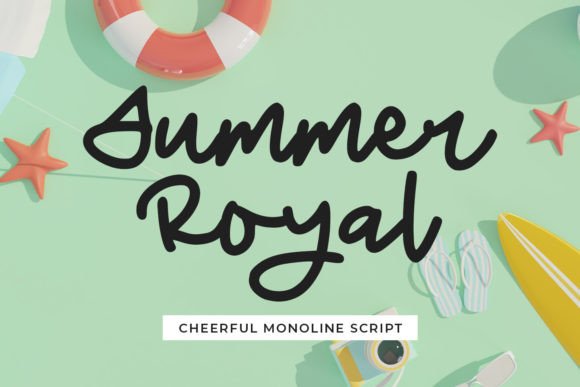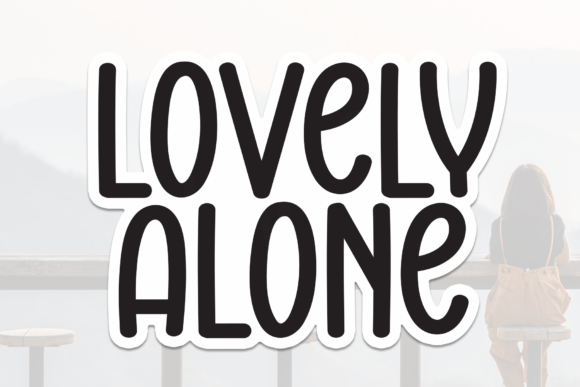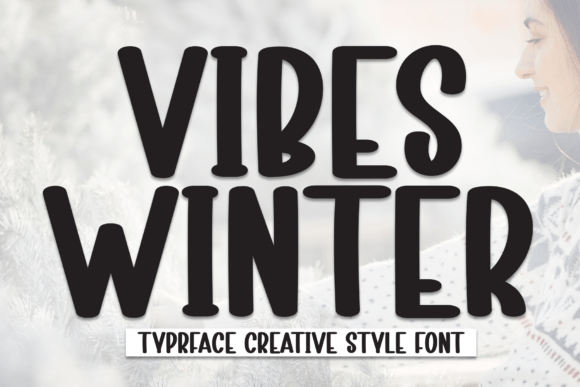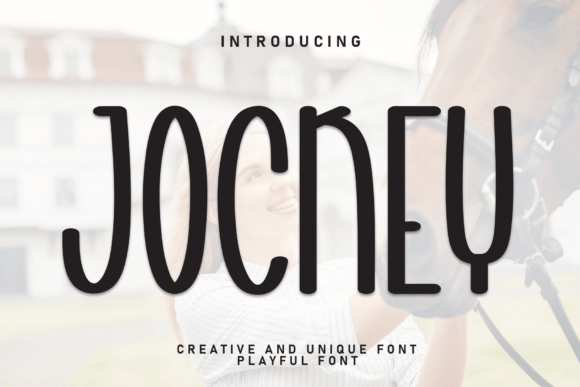
Homeless Font: A Soft, Modern Duo for Handmade Labels & Printables
If you’ve ever spent hours searching for a script font that feels fresh—not fussy, not fragile, but quietly confident and effortlessly warm—you’ll understand why Homeless landed on my desktop and stayed there. As a maker who designs printable wall art, boutique gift tags, candle labels, and wedding stationery for small shops, I need fonts that do more than look pretty in a preview. They need to cut cleanly on my Cricut, print crisply at 8pt on a kraft sticker, hold emotional resonance on a handmade card, and scale gracefully from a tiny product tag to a 24-inch farmhouse sign.
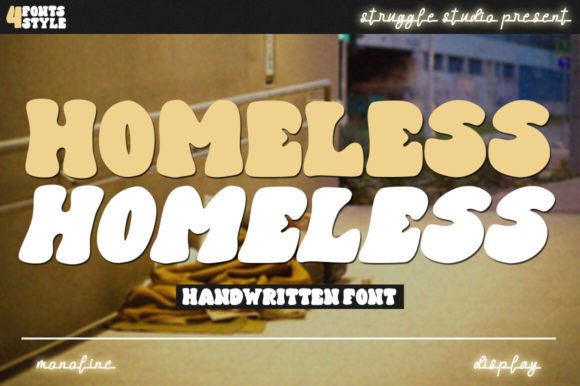
Homeless is a duo font—Monoline and Display—designed as one cohesive system. It’s not two separate scripts pretending to match; it’s a thoughtful pairing where the monoline version offers delicate consistency (ideal for names, short phrases, or subtle branding), and the display version adds gentle contrast, soft curves, and just enough personality for titles and focal points. There’s no sharp edge or aggressive flair—just modern softness, balanced spacing, and an organic flow that reads like handwriting without sacrificing clarity.
This makes Homeless unusually versatile across physical and digital craft projects. On candle jars? Yes—the monoline style stays legible even at 10mm height on matte black labels. For wedding welcome boards or nursery wall prints? The display version shines with quiet elegance, especially when layered over neutral textures or paired with linen or clay-toned paper. I’ve used it for holiday bakery tags (think “Gingerbread Love” stamped on recycled kraft), baby shower invitations (“Little One, Welcome Home”), and even minimalist mug decals—where its clean entry and exit strokes prevent ink bleed during sublimation.
Readability matters—especially when your customer sees your product first in a mockup or thumbnail. Homeless avoids tight letterfitting and overextended swashes, so it renders clearly in low-res previews and cuts reliably on Silhouette Cameo and Cricut Maker machines. No jagged joins. No finicky kerning traps. Just smooth vector paths and generous counters—critical when scaling down to 6–8pt for clothing tags or apothecary labels. And because it’s built as a Script Amp typeface, it includes thoughtful alternates and ligatures that let you refine rhythm without switching fonts mid-design.
For packaging design, Homeless helps elevate perceived value instantly. Compare a generic sans serif on a soap label versus “Wild Lavender • Hand-Poured” set in the monoline style—it’s the difference between commodity and craft. That softness communicates care, intention, and handmade authenticity—without shouting. Same goes for digital printables: planner headers, habit trackers, and quote pages feel warmer and more personal when using Homeless, not sterile or overly decorative.
Pairing is intuitive. I often combine the Homeless monoline with a clean, neutral sans serif (like Montserrat Light or Inter) for body text on greeting cards or product descriptions—keeping hierarchy clear while preserving warmth. For wedding stationery, I layer the display version over a light serif (think Playfair Display Regular) for headings, then drop in monoline for RSVP details. It’s expressive enough to carry emotion, grounded enough to support function.
You’ll find Homeless works best for short-to-medium phrases: names, titles, slogans, product descriptors, and decorative accents. It’s not built for long paragraphs—but then, most crafters don’t need it to be. You’re setting “Thank You” on a gift tag, “Est. 2023” on a shop banner, or “Farmhouse Kitchen” on a wooden sign—not drafting a novel. Its strength lies in presence, not prose.
File-wise, Homeless delivers standard OTF and TTF formats—fully compatible with Canva, Adobe Creative Cloud, Silhouette Studio, Cricut Design Space, and Procreate. It supports Latin-based languages and includes basic multilingual glyphs, making it safe for English, Spanish, French, and German product labels or bilingual wedding suites. No missing accents, no rendering hiccups—just reliable, production-ready design assets.
Licensing is straightforward and commercial-friendly: you can use Homeless to create and sell physical products (stickers, mugs, tote bags), digital downloads (printables, SVG bundles, Canva templates), client work, and even merchandise—as long as you’re not reselling the font files themselves. That means your Etsy shop, Shopify store, or local craft fair booth stays covered. No surprise audits, no gray-area clauses—just honest, creator-first terms.
I’ve tested Homeless across seasons and styles: spring botanical labels, autumn harvest signs, summer birthday invites, winter holiday packaging. It adapts—not by changing shape, but by holding space with calm confidence. It doesn’t compete with your photos, materials, or colors. It complements them. That’s rare in a script font.
Whether you’re hand-lettering digitally for a client’s logo, designing a printable bundle for Teachers Pay Teachers, cutting vinyl for a boutique’s seasonal window display, or prepping SVG files for a Cricut Facebook group—Homeless meets you where your workflow lives. It’s not flashy. It’s not trendy in a fleeting way. It’s soft, smart, and steadily useful—a quiet upgrade that pays off in every label, card, and sign you make.
If your current script font feels either too stiff or too busy—if your customers tell you your packaging “looks handmade but not quite polished”—give Homeless a test run on your next project. Set “Small Batch • Made With Care” in the monoline. Try “Welcome Home” in the display. See how it breathes alongside your textures, your colors, your voice. You might just find your new go-to for everything from farmer’s market tags to fine stationery.